
Fighting Games
Games: 1521 latest added 24 September 2026
Block, dash and land the combo before your opponent recovers. Anime duels like Bleach Vs Naruto v3.5, stickman arena brawls and retro 3D rounds in Tekken 3 all load straight in your browser. Plenty run two players on one keyboard, so the rematch starts the moment a round ends.
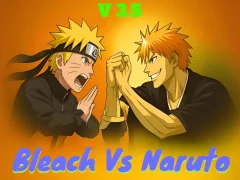 Bleach Vs Naruto v3.5
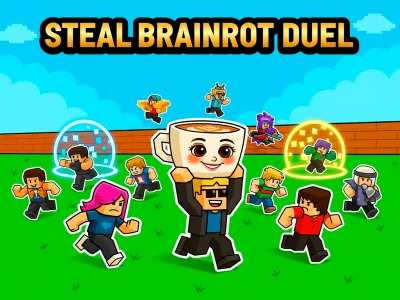 Steal Brainrot Duel
 Stickman Kombat 2D
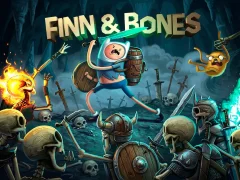 Finn & Bones
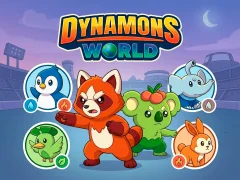 Dynamons World
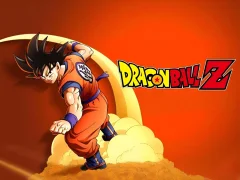 Dragon Ball Z
 Tekken 3
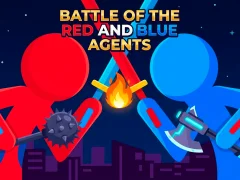 Battle of the red and blue agents
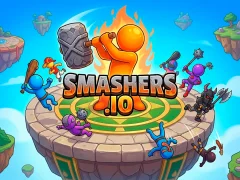 Smashers.io
 Teen Titans Go ! Swamp Attack
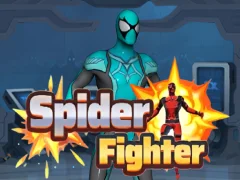 Spider Fighter
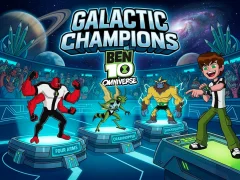 Galactic Champions: Ben 10
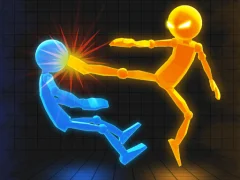 Stick Fighter 3D
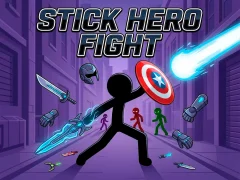 Stick Hero Fight
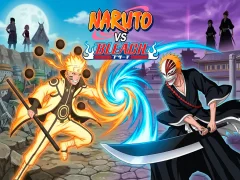 Naruto vs Bleach
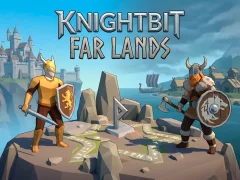 KnightBit Far Lands
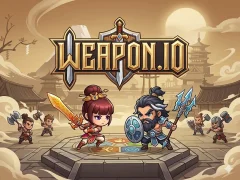 Weapon.io
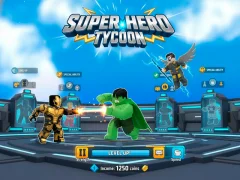 Super Hero Tycoon
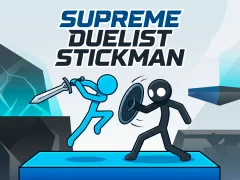 Supreme Duelist Stickman
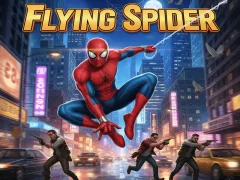 Flying Spider
 Melon Playground
 Ultimate Mortal Kombat Trilogy
 Spider-man vs Robot
 Capoeira Fighter 3
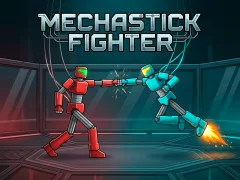 MechaStick Fighter
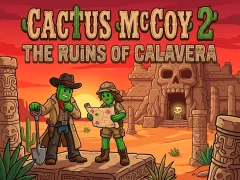 Cactus McCoy 2: Calavera Ruins
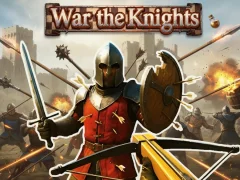 War the Knights
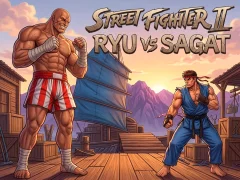 Street Fighter II Ryu vs Sagat
 Gacha life
 Spiderman Fighter
 Magica.io
 Steal a Brainrot Arena 67
 Ultimate Mortal Kombat 3
 Dad'n Me
 Crazy Zombie 7.0 Super Heroes 2
 Swords and Sandals 1: Gladiator
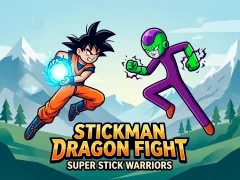 Stickman Dragon Fight - Super Stick Warriors
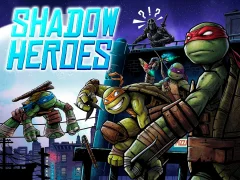 Teenage Mutant Ninja Turtles Shadow Heroes
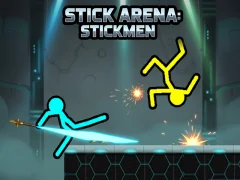 Stick Arena: Stickmen
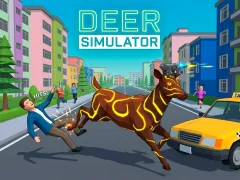 Deer Simulator
 Ben 10 World Rescue
 Stickman Battle
 Supreme Duelist
 Shadow Fights
 Wrestle Online
 Spiderman & Venom
 Ben 10 3D Game
 Cadillacs and Dinosaurs
 People Playground 3D
 Chainsaw Man Anime
 The King of Fighters 97
 The Legend of Zelda: Ocarina Of Time
 Teenage Mutant Ninja Turtles Foot Clan Clash
 Yan Loong Legend 3
 Nick's Not so Ultimate Boss Battles
 Ultimate Robo Duel 3D
 Robots Battle: Mech Arena
 Blob Hero
 Slap and Run
 Ragdoll Hit Stickman
 Bum Brawl: Heaven
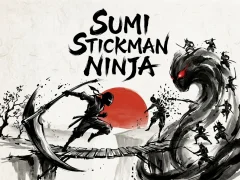 Sumi Stickman Ninja
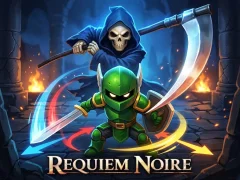 Requiem Noire
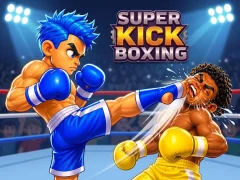 Super Kick Boxing
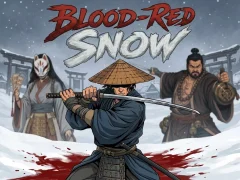 Blood-Red Snow
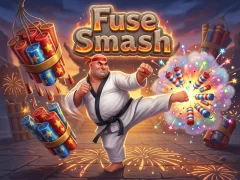 Fuse Smash
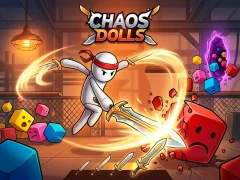 Chaos Dolls
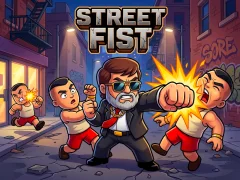 Street Fist
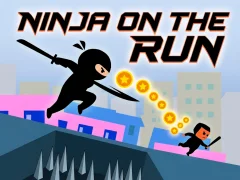 Ninja on the Run
 Robbery Bob Game
Stick Fighter 3D
Robbery Bob Game
Stick Fighter 3D
 Obby - World Champions
 Hit Air Stickman
 Shinobi Chronicles
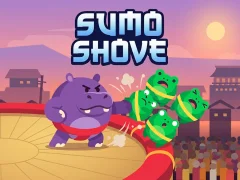 Sumo Shove
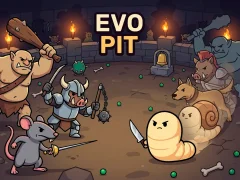 Evo Pit
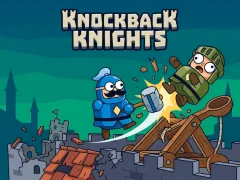 Knockback Knights
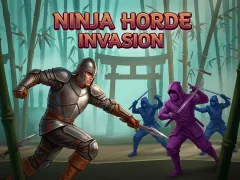 Ninja Horde Invasion
 Blade of Silence
 Samurai. Shoguns Betrayal
See all New games
Samurai. Shoguns Betrayal
See all New games
Types of Fighting games
What Separates a Brawler From a Versus Fighter
Two shapes dominate this part of the catalogue. A versus fighter puts two health bars on screen and ends the match when one empties; a brawler pushes you through waves of enemies across stages. Both sit side by side here, and both start on a keyboard with nothing to install.
Health bars, combos and the punish window
A versus round is decided by spacing and reaction. Tekken 3 is the reference point: retro 3D arenas, opponents that stiffen level by level, and reflex-tight punishes after a blocked attack. Learn one launcher, add a follow-up, and the ladder opens up. Rounds are short, yet losing the first exchange usually settles the whole match.
Anime rosters and comic-hero showdowns
Anime crossovers fill the busiest corner of this genre. Bleach Vs Naruto v3.5 hands you a wide hero roster and a second-player slot on the same keyboard, while Naruto vs Bleach leans on magic attacks and reflex reads. Dragon Ball Z narrows things to hero-versus-hero battles built around big charged attacks. Comic picks such as Spider Fighter and Galactic Champions: Ben 10 swap combo strings for swings, jumps and alien transformations.
Stickman scraps and ragdoll weapons
Stick figures fight dirty and read instantly, which is why the sub-genre keeps growing. Stickman Kombat 2D blends arena knockouts with platformer footing, so the ledge you stand on matters as much as your punch. Battle of the red and blue agents pares the idea down to two stick fighters, one keyboard and a pile of weapons to grab first. Loose-limbed ragdoll physics turn the same trade into slapstick.
Arena free-for-alls with a crowd
Some matches drop the one-on-one framing entirely. Smashers. io is a 3D weapon arena where multiplayer rivals keep coming and the pressure never lets up. Reflexes count for more here than memorised strings, and every round drops you straight back into the scrum.
Swords, dungeons and castle defense
Combat also drives longer runs with levels, loot and a map to clear. Finn & Bones sends you sword-first through cartoon dungeons packed with zombies, with crafting between the fights. KnightBit Far Lands trades that for medieval castle defense, holding a keep through survival waves of war parties.
Two-player titles are worth flagging separately: both fighters share one keyboard, so a friend can take the other side without a second device, an account or a download.
FAQ — Frequently Asked Questions
What are the best Fighting games to play right now?
Sorted by the ratings players gave them — these Fighting games scored the highest. All free, nothing to install:
- Bleach Vs Naruto v3.5 — 8.4/10 (320)
- Steal Brainrot Duel — 9/10 (267)
- Stickman Kombat 2D — 9.2/10 (259)
- Finn & Bones — 9.4/10 (83)
- Dynamons World — 9.5/10 (56)
What are the newest Fighting games?
The Fighting games added to the site most recently, freshest first:
- Bum Brawl: Heaven — 24 September 2026
- Sumi Stickman Ninja — 23 September 2026
- Requiem Noire — 14 September 2026
- Super Kick Boxing — 9 September 2026
- Blood-Red Snow — 26 August 2026
Which Fighting games are most popular right now?
The Fighting games opened most often on SGameS right now. Free to play, straight in the browser: