
Puzzle Games
Games: 11028 latest added October 7, 2026
Boost your logic and thinking with fun brain teasers you can play right in your browser, no download or registration needed.
 Butterfly Kyodai
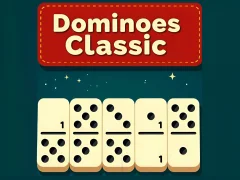 Dominoes Classic
 Backgammon Classic
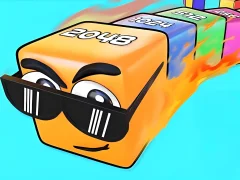 Cubes 2048.io
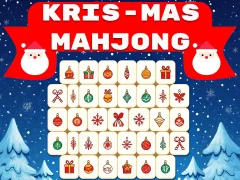 Kris-mas Mahjong
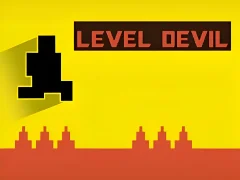 Level Devil
 LOLBeans.io
 Kitchen Mahjong Classic
 Chess Classic
 Eleven Eleven
 Candy Riddles: Free Match 3
 Mahjong Connect Classic
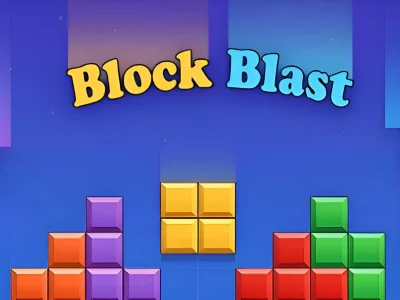 Block Blast
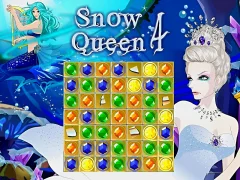 Snow Queen 4
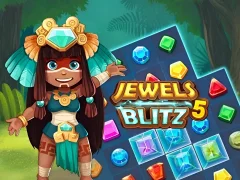 Jewels Blitz 5
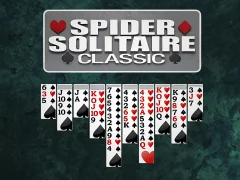 Spider Solitaire Classic
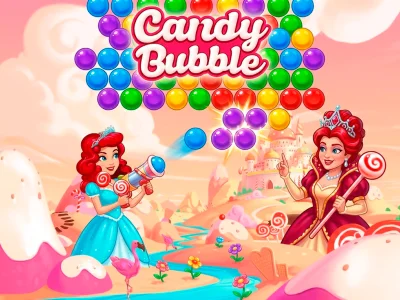 Candy bubbles
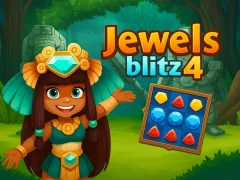 Jewels Blitz 4
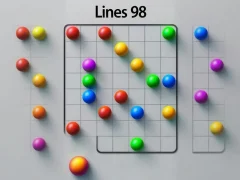 Lines 98
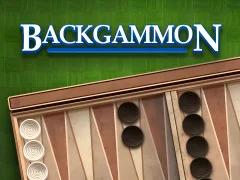 Backgammon
 Dominoes
 Jewels Blitz 6
 1001 Arabian Nights
 Spider Solitaire
 Watermelon Suika Game
 Kings and Queens Solitaire Tripeaks
 Mahjong
 Tiles of the unexpected
 Time Gap
 Classic Backgammon
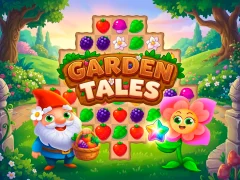 Garden Tales 4
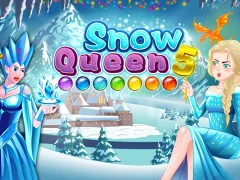 Snow Queen 5
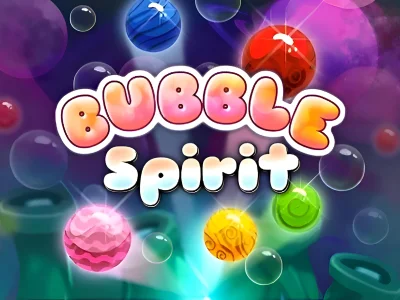 Bubble Spirit
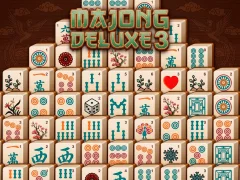 Mahjong Deluxe 3
 Rummikub
 Match Dream Garden
 Solitaire Story Tripeaks 6
 Bird Sort Puzzle
 Garden Tales 2
 Vega Mix 2: Mystery Of Island
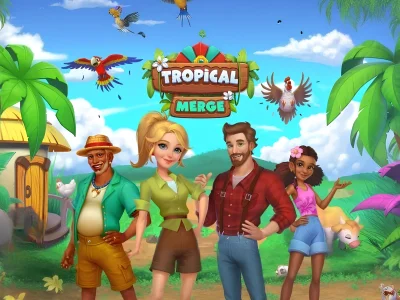 Tropical Merge
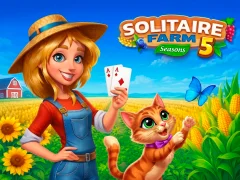 Solitaire Farm Seasons 5
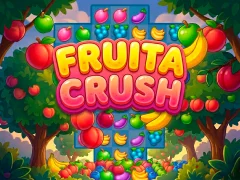 Fruita Crush
 Hexanaut.io
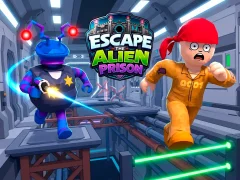 Escape the Alien Prison
 Arrow Slide Puzzle
 Solitaire Story Tripeaks 4
 Forest Match
 Mahjong Impossible
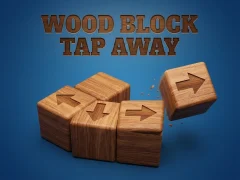 Wood Block Tap Away
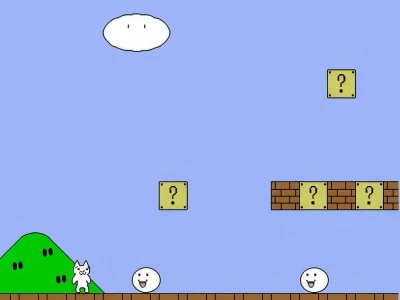 Cat Mario
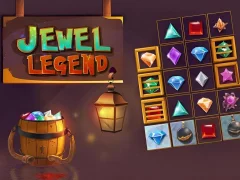 Jewel Legend Quest
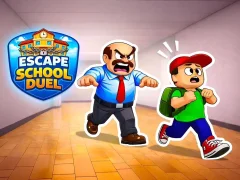 Escape School Duel
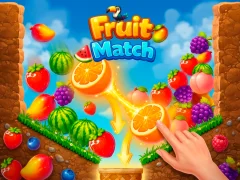 Fruit Match
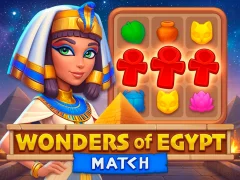 Wonders of Egypt Match
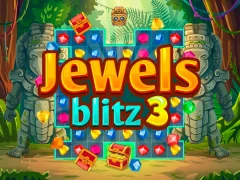 Jewels Blitz 3
 L.O.L. Surprise Game Zone
 Travel Story Match
 Block Champ
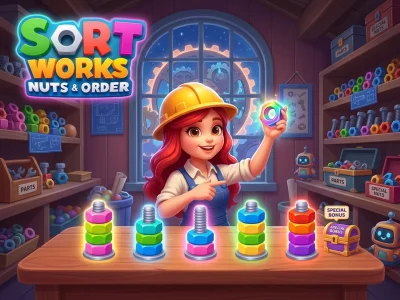 Sort Works: Nuts & Order
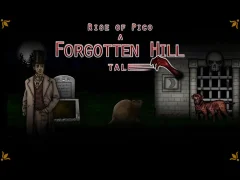 Rise of Pico – A Forgotten Hill Tale
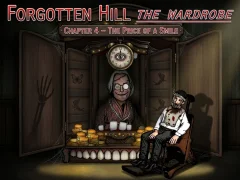 Forgotten Hill The Wardrobe – Chapter 4 – The Price of a Smile
 Forgotten Hill: Surgery
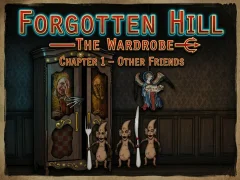 Forgotten Hill The Wardrobe – Chapter 1 – Other Friends
 Forgotten Hill - The Wardrobe Chapter 2-Two Sisters
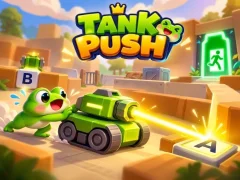 Tank Push
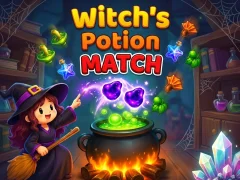 Witch's Potion Match
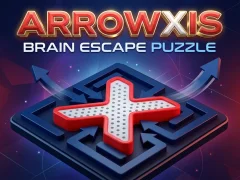 ArrowXis Brain Escape Puzzle
 Farm Blast 2
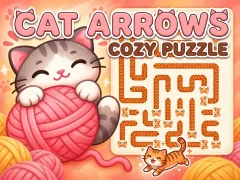 Cat arrows: Cozy Puzzle
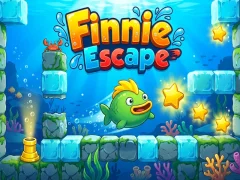 Finnie Escape
 Pixel Nono
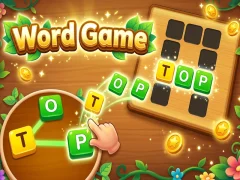 Word Game
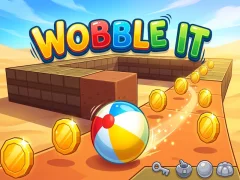 Wobble it
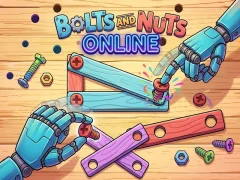 Bolts and Nuts Online
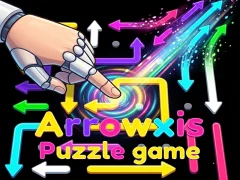 Arrowxis Puzzle game
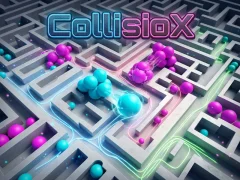 CollisioX
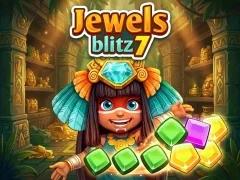 Jewels Blitz 7
 Pop Flower
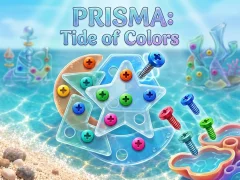 Prisma: Tide of Colors
See all New games
Prisma: Tide of Colors
See all New games
Games Puzzle
Puzzle games — train your brain every day
Puzzle games are the genre for anyone who loves to think. Here, it’s not about fast reflexes, but logic, planning, and spotting the solution several moves ahead. It’s the perfect way to exercise your brain during a break or unwind after a long day.
In our collection, you’ll find:
- classic logic puzzles
- spatial reasoning games
- physics puzzles with gravity mechanics
- jigsaw puzzles and brain teasers of different difficulty levels
All online puzzle games are free and available no download required — right in your browser on any device. New levels are added regularly.
FAQ — Frequently Asked Questions
What are the best Puzzle games to play right now?
Sorted by the ratings players gave them — these Puzzle games scored the highest. All free, nothing to install:
- Butterfly Kyodai — 7.8/10 (303)
- Dominoes Classic — 8.2/10 (268)
- Backgammon Classic — 7.6/10 (352)
- Cubes 2048.io — 7.8/10 (192)
- Kris-mas Mahjong — 7.8/10 (157)
What are the newest Puzzle games?
The Puzzle games added to the site most recently, freshest first:
- Rise of Pico – A Forgotten Hill Tale — October 7, 2026
- Forgotten Hill The Wardrobe – Chapter 4 – The Price of a Smile — October 7, 2026
- Forgotten Hill: Surgery — October 7, 2026
- Forgotten Hill The Wardrobe – Chapter 1 – Other Friends — October 7, 2026
- Forgotten Hill - The Wardrobe Chapter 2-Two Sisters — October 7, 2026
Which Puzzle games are most popular right now?
The Puzzle games opened most often on SGameS right now. Free to play, straight in the browser: