
Maze Games
Games: 1349 latest added 1 October 2026
Trace winding corridors, crack door chains, and outsmart dead ends in The Maze, 100 Doors Challenge, and Backrooms. Play free right in your browser. If you want a tougher route, Pull Mermaid Out and Snack Time add pin pulls and chase paths. Klotski brings block moves into the maze logic, too.
 Sprunki in Backrooms
 Bloxorz: Roll the Block
 Fill Maze
 Backrooms
 Bad Ice Cream
 Tank Mayhem
 Klotski
 Tomb Of The Mask Neon
 100 Doors Escape Room 2
 Bomb It 2
 Ancient Egypt
 Arrows Puzzle Escape
 Arrow Escape Puzzle Game
 Scary Granny
 Duo Survival 2
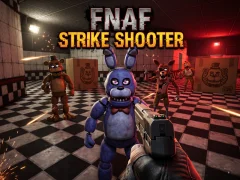 FNAF Strike Shooter
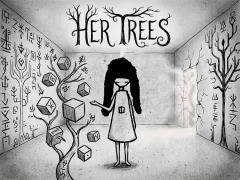 Her Trees
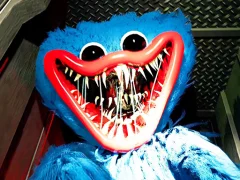 Poppy Playtime Online Port
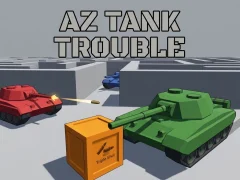 AZ Tank Trouble
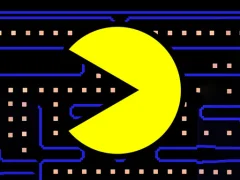 PACMAN
 Curve Rush 2
 The Metro Anomaly
 Escape From Sewer Tunnel
 Monkey Go Happy Stage 154
 Barbie in the Nutcracker
 Gold digger FRVR
 A Dance of Fire and Ice
 Monkey Go Happy Stage 241
 Scary Maze
 Snack Time
 Lab House Escape
 Sven's Quest
 Cambini's Great Escape
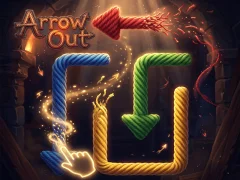 Arrow Out
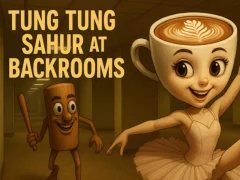 Tung Tung Sahur At Backrooms
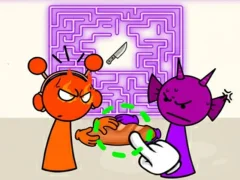 Help Sprunky
 Homescapes
 Nibbler
 Tank Challenge
 Sokoban
 Monkey Go Happy Stage 244
 One Roof Escape
 Monkey Go Happy Stage 272
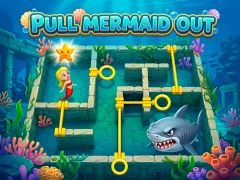 Pull Mermaid Out
 The Maze
 Lipuzz Water Sort Puzzle
 Mice Maze
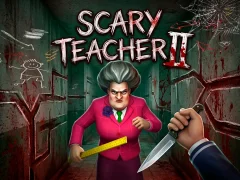 Scary Teacher II
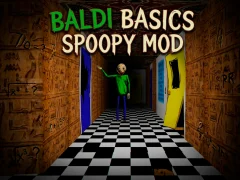 Baldi basics spoopy MOD
 Pac-Man
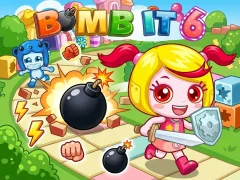 Bomb It 6
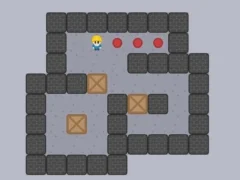 Sokoban_pr
 Intelligent Plumber Escape
 Safari Run
 Ms. PAC-MAN
 Crack The Code
 Obby: IQ Escape from the Laboratory
 Amgel Easy Room Escape 292
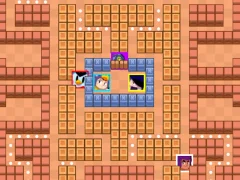 BS Simulator
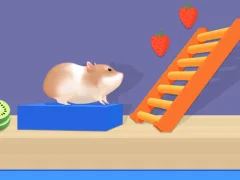 Hamster Maze Online
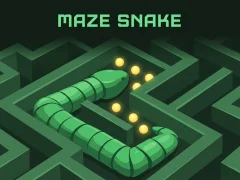 Maze Snake
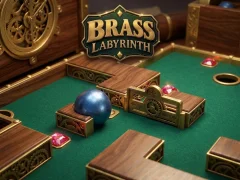 Brass Labyrinth
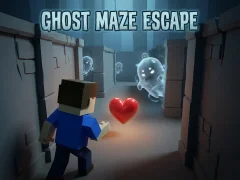 Ghost Maze Escape
 Frosty Rush
 Hexbite
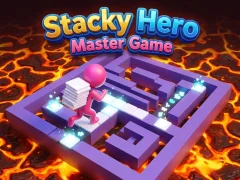 Stacky Hero Master Game
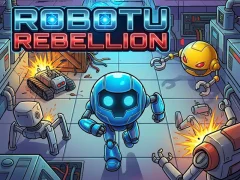 Robotu Rebellion
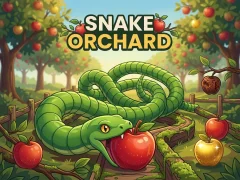 Snake Orchard
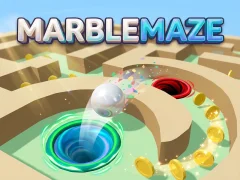 MarbleMaze
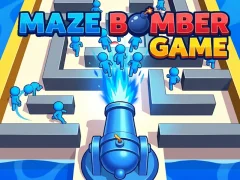 Maze Bomber Game
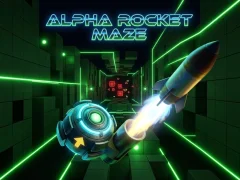 Alpha Rocket Maze
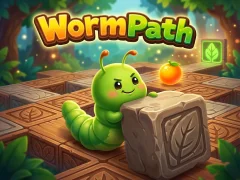 Worm Path
 Maze Evolution HTML
 Save My Human
 Sliding Maze
 Sweep Maze
 Slinky
 Hunger Trails
 Wayfarers Return
 Wayfarer's Return
See all New games
Wayfarer's Return
See all New games
Maze games built around exits, dead ends, and sharp turns
Maze games reward you for reading a layout fast and remembering where the wrong turns sit. Some are pure corridor puzzles, while others mix in escape-room logic, chase pressure, or block pushing. You can play Maze online free here, and everything loads with no download needed, so retries are instant.
Classic corridor mazes
The Maze keeps the format stripped down, which makes every branch matter. You are watching for the shortest path, but you still need to remember where the dead ends sit. That small amount of information becomes the whole challenge, because one bad turn can send you back into the same hallway.
The appeal is in route-finding, not flashy effects, and that makes the path itself feel like the puzzle. If you enjoy reading a map as you move, the layout gives you a clear goal with plenty of room for mistakes. It is a clean fit for players who want a straightforward maze without extra systems getting in the way.
Pac-Man style chases
If you like movement pressure, the Pacman tag points to maze runs where timing matters as much as direction. These games usually ask you to keep moving while watching threats, pickups, or narrow escape lanes. That means the best route is not always the shortest one, because a safer detour can save the run.
Chase-heavy mazes are great when you want the map to feel alive. You are still solving a layout, but you are also reacting to what blocks your path in the moment. That blend works especially well when corners, tunnels, and loops force you to think one step ahead.
Maze games with escape-room pressure and shifting layouts
Not every maze is about quiet exploration. Some lean into door chains, hidden switches, monster-heavy corridors, or objects that change the route as soon as you touch them. That is where the category overlaps nicely with escape-room design and more layered puzzle play.
Escape-room mazes and door chains
100 Doors Challenge turns each screen into a compact exit test, so you are checking patterns, triggers, and the right order of actions. The Escape Room tag fits that style because the path opens only after you solve the room itself. Even when the space is small, the logic creates a real maze of decisions.
These games are perfect when you want something more structured than a long corridor run. Instead of wandering aimlessly, you are probing for clues, opening barriers, and making the layout make sense. That gives every solved screen a clear payoff, especially when the next room changes the rules again.
Backroom-style exploration
Backrooms pushes the maze idea into eerie, looping spaces where direction is hard to trust. That kind of layout works well in Mystery games because every corridor can hide a clue or a mistake. You keep moving, but you also keep checking the shape of the room, which is exactly what makes these routes tense.
Instead of simple left-and-right choices, these maps lean on uncertainty. A hallway may look familiar, then suddenly turn into a dead end or a new layer of space. That sense of displacement gives maze exploration a more story-driven edge without losing the core navigation challenge.
Push blocks, ice walls, and pin pulls
Klotski brings the maze into a sliding-block format, where one blocked space can stall the whole plan. If you want the same logic in a broader puzzle style, the Sokoban tag is a good fit because placement matters as much as movement. Both styles ask you to think about how a space opens, not just where the exit sits.
Bad Ice Cream uses breakable paths and ice walls to reshape the field while you move. Snack Time turns route choice into a chase across tight lanes. Pull Mermaid Out adds a pin-pull twist, so the first move can decide whether the route stays clear. If you like maze games that turn each step into a small planning problem, these versions give you plenty to work with.
Maze games work best when each layout asks a different question. Some want a memory for dead ends, others want fast reactions, and a few ask you to treat the whole screen like a sliding puzzle. That range is what keeps the category strong when you want pure navigation one minute and a trickier exit puzzle the next.
FAQ — Frequently Asked Questions
What are the best Maze games to play right now?
Sorted by the ratings players gave them — these Maze games scored the highest. All free, nothing to install:
- Sprunki in Backrooms — 8/10 (10)
- Bloxorz: Roll the Block — 9.2/10 (12)
- Fill Maze — 9.4/10 (17)
- Backrooms — 8.1/10 (109)
- Bad Ice Cream — 8.5/10 (39)
What are the newest Maze games?
The Maze games added to the site most recently, freshest first:
- Maze Snake — 1 October 2026
- Brass Labyrinth — 28 September 2026
- Ghost Maze Escape — 27 September 2026
- Frosty Rush — 25 September 2026
- Hexbite — 25 September 2026
Which Maze games are most popular right now?
The Maze games opened most often on SGameS right now. Free to play, straight in the browser: