
World of Alice Games
Games: 43
Start with World of Alice Numbers Shapes, Quantities, and Daily Routine for counting, sorting, and simple daily habits right in your browser. Animal Habitats, Dino Colors, and Plant Game use bright labels and picture matching to build early science vocabulary. Memory Game and Star Sequence add matching and order practice without overwhelming young players.
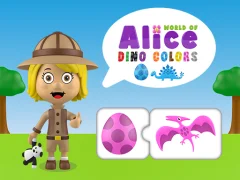 World of Alice Dino Colors
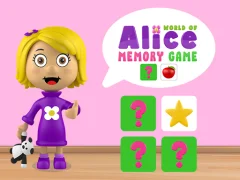 World of Alice Memory Game
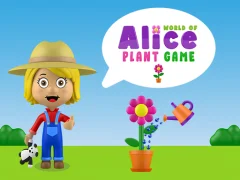 World of Alice Plant Game
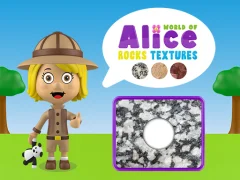 World of Alice Rocks Textures
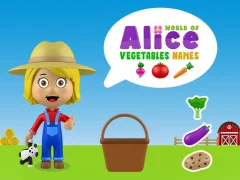 World of Alice Vegetables Names
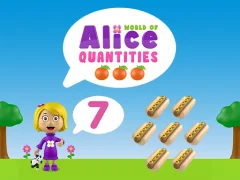 World of Alice Quantities
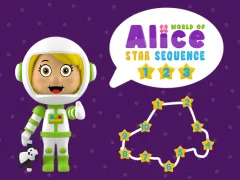 World of Alice Star Sequence
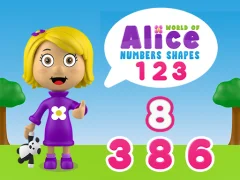 World of Alice Numbers Shapes
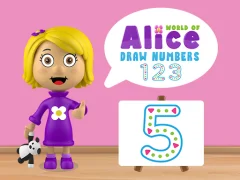 World of Alice Draw Numbers
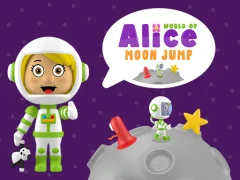 World of Alice Moon Jump
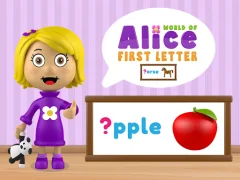 World of Alice First Letter
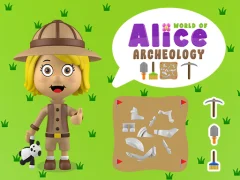 World of Alice Archeology
 World of Alice Emotions
 World of Alice Learn to Draw
 World of Alice Uppercase and Lowercase
 World of Alice Sports Cards
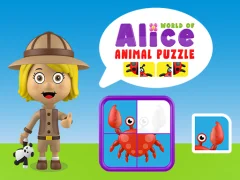 World of Alice Animals Puzzle
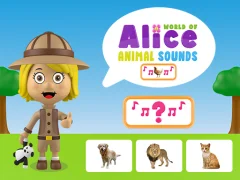 World of Alice Animal Sounds
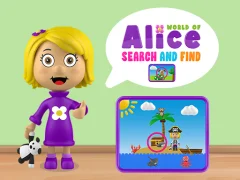 World of Alice Search and Find
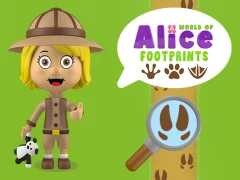 World of Alice Footprints
 World of Alice Shapes of Musical Instruments
 World of Alice Puzzle Numbers
 World of Alice Parts of the House
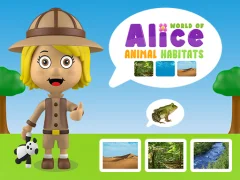 World of Alice Animal Habitats
 World of Alice Images and Words
 World of Alice Occupations
 World of Alice Daily Routine
 World of Alice Animal Habitat
 World of Alice Sequencing Numbers
 World of Alice Make Words
 World of Alice Pirate Treasure
 World of Alice My Dog
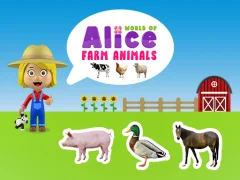 World of Alice Farm Animals
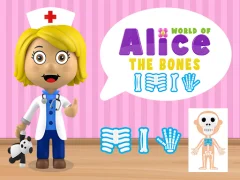 World of Alice The Bones
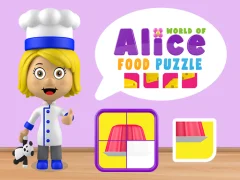 World of Alice Food Puzzle
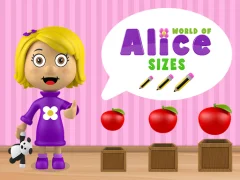 World of Alice Sizes
 World of Alice Fashion fun
 World of Alice Solar System
 World of Alice Dino Fossil
 World of Alice Draw Shapes
 World of Alice baby animal
 World of Alice Opposites
 Hex Link Christmas
World of Alice games for letters, numbers, and patterns
World of Alice games turn early learning into bright, guided tasks. You can play World of Alice online free, and the screens keep instructions simple for small hands. The format works on mobile and desktop, so taps, tracing, and picture choices stay easy to follow.
The basics start with World of Alice Numbers Shapes, which puts number sense beside clear visual cues. World of Alice Quantities follows with counting sets and simple comparisons. Kids see the symbol, count the group, and pick the right answer without wandering through menus. That makes the first steps feel concrete instead of abstract, especially for short sessions.
Memory and sequence practice
World of Alice Memory Game asks children to remember where the pictures were placed and match them back together. World of Alice Star Sequence adds order, so the next choice depends on what came before. Both games train careful looking, but they do it with simple screens and very clear goals. If your child likes repeatable tasks, these two are easy to revisit.
Color matching and texture sorting
World of Alice Dino Colors uses bright color cues to build fast visual recognition. World of Alice Rocks Textures shifts the focus to surface detail, which helps kids compare smooth, rough, and similar-looking objects. Together they move from naming to observation, which is useful when you want something beyond basic counting. The short rounds also work well between other lessons.
World of Alice games about animals, plants, and daily life
This side of the collection moves from symbols into the things children see at home and outside. The prompts stay picture-led, and each activity keeps the answer choices close to the lesson. That makes the jump from vocabulary to real-world meaning feel natural, not crowded.
Animal habitats and simple science
World of Alice Animal Habitats connects creatures with the places they belong, such as land, water, or other easy-to-spot settings. The lesson works because the habitat appears before the decision, so kids can compare the scene instead of guessing. It is a nice bridge from naming animals to understanding where they live. That kind of picture sorting also supports early science words without long explanations.
Plants and vegetables vocabulary
World of Alice Plant Game introduces growth, leaves, and other simple plant ideas through clear images. World of Alice Vegetables Names keeps the focus on familiar food words, which makes the vocabulary feel useful right away. Children look, match, and name, then move on before attention drops. The result is a calm way to teach everyday terms one topic at a time.
Daily routines and practical sequencing
World of Alice Daily Routine turns washing, dressing, eating, and bedtime into short ordered steps. That gives kids a chance to see what comes first and what comes next in familiar situations. The activity is especially handy for building conversation around home habits, because each picture shows a concrete action. It also helps the whole collection feel connected to daily life instead of only classroom topics.
When you want a quick return to counting, matching, or routine order, this mix of picture clues and simple choices makes it easy to pick the right screen again. The strongest part of World of Alice is how it keeps lessons small, visual, and clear while still covering real topics children meet every day.
FAQ — Frequently Asked Questions
What are the best World of Alice games to play right now?
Sorted by the ratings players gave them — these World of Alice games scored the highest. All free, nothing to install:
- World of Alice Dino Colors — 8.3/10 (12)
- World of Alice Memory Game — 10/10 (10)
- World of Alice Plant Game — 8.6/10 (14)
- World of Alice Rocks Textures — 8.3/10 (12)
- World of Alice Vegetables Names — 9.1/10 (11)
What are the newest World of Alice games?
The World of Alice games added to the site most recently, freshest first:
- World of Alice Quantities — May 17, 2024
- World of Alice Star Sequence — May 16, 2024
- World of Alice Numbers Shapes — May 15, 2024
- World of Alice Draw Numbers — May 15, 2024
- World of Alice Moon Jump — May 14, 2024
Which World of Alice games are most popular right now?
The World of Alice games opened most often on SGameS right now. Free to play, straight in the browser: