
Memory Games
Games: 1082 latest added 26 September 2026
Flip two cards, hold what you saw, then come back for the pair three moves later. The lineup runs from pair grids like Memory Match and Pair Fruits to flag quizzes, hidden-object scenes and trap platformers you learn by failing. All of it plays free in your browser.
 Level Devil 2
 Level Devil
 Poker World
 Memory Match
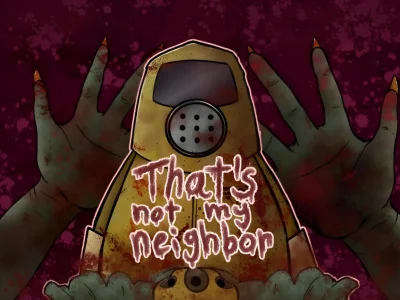 That's Not My Neighbor
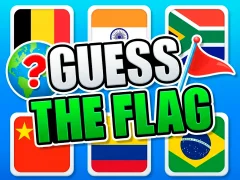 Guess The Flags
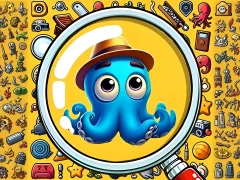 Find Me: Lost Objects
 Journey Of Escape
 Survival 456 But It Impostor
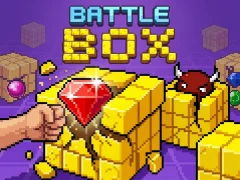 Battle Box
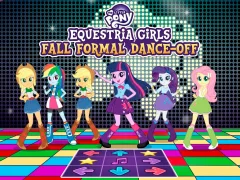 My Little Pony Equestria Girls Fall Formal Dance-Off
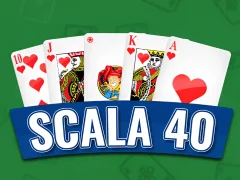 Scala 40
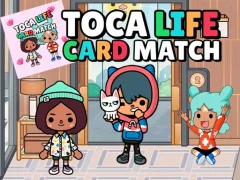 Toca Life Memory Card Match
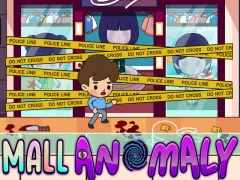 Mall Anomaly
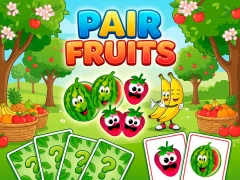 Pair Fruits
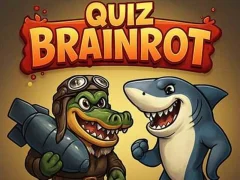 Italian Brainrot Quiz
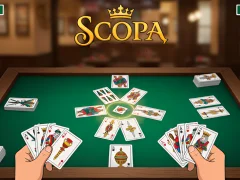 Scopa
Scopa
 Free Fire
 That's not my Neighbor Find the Difference
 Spider-Man Epic Battles
 Memory Color
 Sprunki Incredibox Memory
 Flip Card Memory
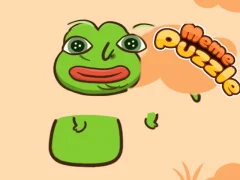 Meme Puzzle
 Daily Crossword
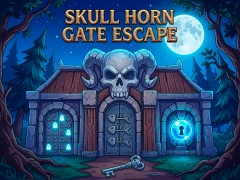 Skull Horn Gate Escape
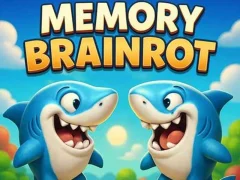 Brainrot Memory
 Educational Games For Kids
 Fruit Flip
 K-pop. Memo
 Fortnite Memory
 Shaun the Sheep Memory Card Match
 Mr Bean Matching Pairs
 TRZ Tangram
 Memory Game for Childrens
 Troll Memory Match
 Flip & Find
 Sweety Memory
 Futurama
 Cat Memory
 Geography Quiz
 ASMR Fun Relaxing Games
 Tom Memory
 Music Memory Challenge
 Football Match Memory
 Sonic Memory
 TBBH Memories
 The Stupidity Test
 Grandma Escape
 My Talking Tom Memory Card Match
 Sprunki Quiz
 Pokemon Memory Time
 Sprunki Pairs
 Flags
Flags
 Simon Says
 Amgel Easy Room Escape 46
 Memory Matching Game
 Marvel Superheroes Memory
 Memory With Flags
 Farm Animals Kids Learning Memory
 Make a Face
 Traffic Memory
 Food Memory
 Flip & Match Battle
 Gemoria
 Busha's Memory Parlor
 Memory Training
 Dragon Memory Match
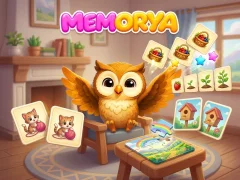 Memorya
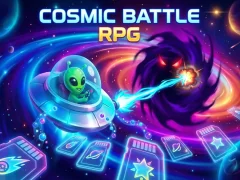 Cosmic Battle RPG
 Cat Puzzle Memory Match
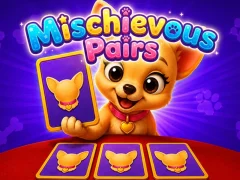 Mischievous Pairs
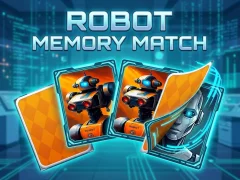 Robot Memory Match
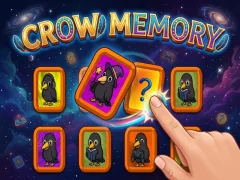 Crow Memory
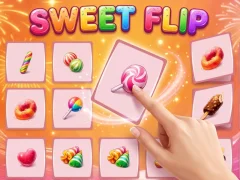 Sweet Flip
 Il gioco della Scopa
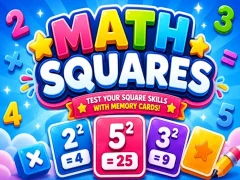 Math Squares
 Pyro Pairs
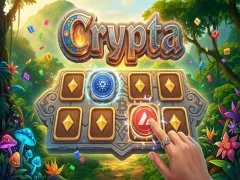 Crypta
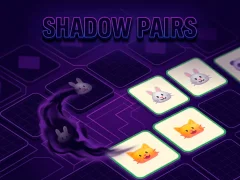 Shadow Pairs
See all New games
Shadow Pairs
See all New games
Flipping a Card Face Down and Still Knowing Where It Is
These are the games that ask you to hold a board in your head after it disappears. Pairs, faces, hidden objects and trap positions all vanish, then you have to bring them back one move later. Most run point-and-click in a browser tab.
Card pairs and boards that keep growing
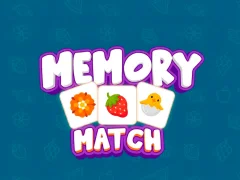
The classic form is a grid of face-down cards. Memory Match adds rows level by level, so a run that opens with eight cards finishes far wider, and one wrong flip costs you the position you had memorised.
Pair Fruits swaps card backs for fruit tiles and rewards a level cleared without wasted flips. If pure tile pairing is what you are after, the matching puzzles sit right next door.
Faces, flags and details you must recognise again
Guess The Flags is a quiz that turns difficult once the flags start sharing colours and stripes. That's Not My Neighbor puts the same skill in a horror job: check the visitor at the door against documents you already read.
Hidden-object scenes work the other way round. Find Me: Lost Objects hides small items in a crowded picture, and remembering where you have already looked saves most of the clicking on a second pass.
Trap layouts you only learn by dying
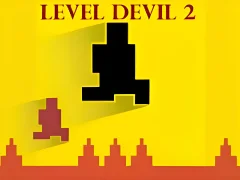
Platformers use recall differently. In Level Devil 2 the floor drops away and spikes appear with no warning, so each attempt rebuilds the level out of earlier failures. Two players can share one keyboard for the sequel.
Card tables reward the same habit: in Scopa the cards already played tell you what your opponent can still be holding.
FAQ — Frequently Asked Questions
What are the best Memory games to play right now?
Sorted by the ratings players gave them — these Memory games scored the highest. All free, nothing to install:
- Level Devil 2 — 8.9/10 (356)
- Level Devil — 8.9/10 (181)
- Poker World — 8.6/10 (122)
- Memory Match — 8.3/10 (12)
- That's Not My Neighbor — 8.3/10 (599)
What are the newest Memory games?
The Memory games added to the site most recently, freshest first:
- Make a Face — 26 September 2026
- Traffic Memory — 25 September 2026
- Food Memory — 25 September 2026
- Flip & Match Battle — 25 September 2026
- Gemoria — 24 September 2026
Which Memory games are most popular right now?
The Memory games opened most often on SGameS right now. Free to play, straight in the browser: