
Alchemy Games
Games: 31
Mix water, fire, earth, and air in Alchemy, then chase breakthroughs in Little Alchemy 2, Alchemy Drop, and Potion Merge Witch. Free right in your browser, this category lets you test potion chains and grid merges without stopping play. Expand into Alchemy Master and 1010 Elixir Alchemy when you want more combinations, more reactions, and weirder results.
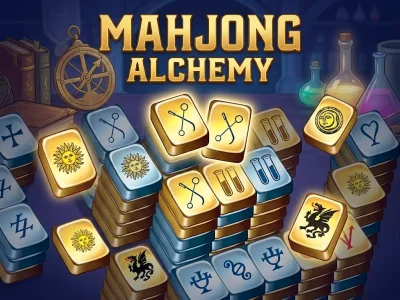 Mahjong Alchemy
 Alchemy
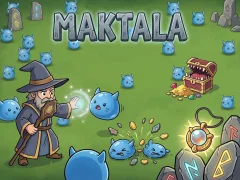 Maktala
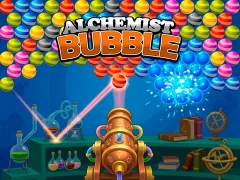 Alchemist Bubbles
 Potion Merge Witch
 Alchemist's Trial
 1010 Elixir Alchemy
 Elixir Drop
 Alchemy Master
 Hidden Magic OG
 Alchemist Master
 Potion Flip
 Gift Of Alchemy
 Witch Princess Alchemy
 Witch's Potion Match
 Goo Alchemist
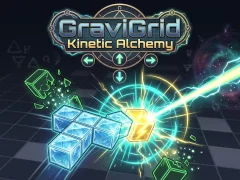 GraviGrid Kinetic Alchemy
 Philosopher's Merge
 Elemental Domination
 Alchemist Merge
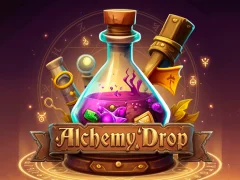 Alchemy Drop
 Hippo Beach Adventures
 Moonstone Alchemist
 Little Alchemy
 Alchemy Witch
 Little Alchemy 2
 The Alchemy Between Us
 Touch of Magic
 Doodle God 2
 The Alchemist`s Village
 Minecraft: Potion Craft
Alchemy games for element mixing, potion crafting, and merge puzzles
Alchemy games are built around one simple thrill: you combine small parts and watch them become something new. Start with basic elements, then keep experimenting until the board turns into a notebook of discoveries. If you want the classic version first, Alchemy is the cleanest place to begin.
The appeal comes from seeing ordinary ingredients turn into tools, weather, life, and odd little inventions. Little Alchemy and Little Alchemy 2 keep that discovery-first feel alive, while logic games fans get a puzzle that grows with every successful match. Each new result can become a new ingredient, so your list keeps feeding itself.
Element chains and first discoveries
Most players start with the classic base set: water, fire, earth, and air. Alchemy Master follows that same idea, where each working combination opens a wider web of possible reactions. Once you learn how one result unlocks the next, the whole table becomes a chain of experiments instead of random guesses.
That structure makes the category easy to understand, but it never feels empty. You are not matching tiles just to clear space; you are building a growing catalog of substances, tools, and natural forms. Some rounds stay tiny and focused, while others branch out into larger sets of items that ask for a different line of thought.
Potion crafting and magic-themed combinations
Some alchemy games lean harder into fantasy, and that gives the category a brighter, stranger edge. Potion Merge Witch brings potions and witchy ingredients into the mix, while Hidden Magic OG and Alchemist Master add a stronger magical tone. The chemistry idea stays intact, but the setting shifts toward charms, brews, and spell-like results.
That mix of science and fantasy keeps the screen from feeling repetitive. You might be chasing a potion recipe in one game, then testing a more grounded element chain in the next. The category works because both sides still reward careful pairing, whether the answer is a crystal, a herb, or something that sounds almost mythical.
Merge boards, grids, and falling pieces
Not every alchemy game uses the same layout, and that variation matters. Alchemy Drop changes the pace with a falling-piece style setup, while 1010 Elixir Alchemy pushes the idea onto a tighter grid where placement matters on every move. Instead of only asking what combines, these versions also ask where each piece should land.
That makes spatial planning part of the discovery process. You are still building new results, but you also need enough room to keep the board usable. If you enjoy merge games, these versions give you visible progress without hiding the puzzle behind too much clutter.
Quick browser sessions and mobile-friendly play
Alchemy fits short sessions well, because you can test a few ideas, stop, and return later with the same experiment in mind. Potion Flip adds a more tactile angle, and the whole category works as free online play with no download. That makes it easy to sample on desktop or on a phone when you only have a few minutes.
The best way to play is to stay curious and reuse every new result as soon as it appears. Start from the basics, then revisit earlier combinations after your ingredient list expands, because old items often unlock fresh branches. That rhythm is what gives these browser games their staying power: every new discovery changes the next round.
FAQ — Frequently Asked Questions
What are the best Alchemy games to play right now?
Sorted by the ratings players gave them — these Alchemy games scored the highest. All free, nothing to install:
- Mahjong Alchemy — 8.6/10 (42)
- Alchemy — 10/10 (13)
- Maktala — 9.2/10 (13)
- Alchemist Bubbles — 6/10 (5)
- Potion Merge Witch — 8.3/10 (12)
What are the newest Alchemy games?
The Alchemy games added to the site most recently, freshest first:
- Witch's Potion Match — October 6, 2026
- Goo Alchemist — September 29, 2026
- GraviGrid Kinetic Alchemy — September 25, 2026
- Elixir Drop — July 25, 2026
- Alchemist's Trial — July 16, 2026
Which Alchemy games are most popular right now?
The Alchemy games opened most often on SGameS right now. Free to play, straight in the browser: