
Spider Solitaire Games
Games: 56
Build descending suit runs with Spider Solitaire Classic, then switch to Classic Spider Solitaire or Spider Solitaire 2 for a harder table. This browser version needs no download, so you can clear columns fast. Best Classic Spider Solitaire suits quick retry sessions when one bad move blocks your chain.
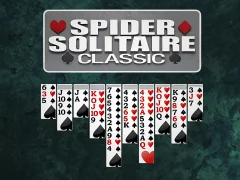 Spider Solitaire Classic
 Spider Solitaire
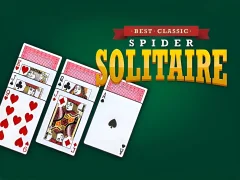 Best Classic Spider Solitaire
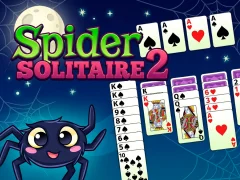 Spider Solitaire 2
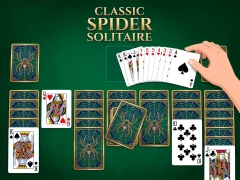 Classic Spider Solitaire
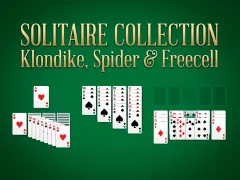 Solitaire collection: klondike, spider & freecell
 Solitaire Master
 Spider Solitaire
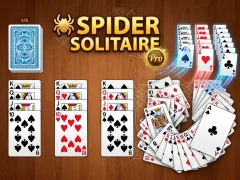 Spider Solitaire Pro
 Amazing Spider Solitaire
 Solitaire 13 In 1 Collection
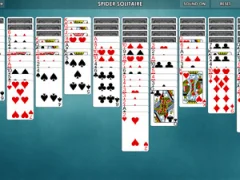 Spider Solitaire
 Solitaire King
 Spider Solitaire
 Spider Solitaire
 Spider Solitaire 2 Suits
 Solitaire: Spider and Klondike
 Huge Spider Solitaire
 Spider Solitaire
 Solitaire 12 in 1
 xLeague Solitaire
 Solitaire World
 Spider Solitaire Blue
 Spider Solitaire Classic Ver
 Office Spider Solitaire
 Spider Solitaire
 Spider Solitaire
 Solitaire Collection
 Solitaire Spider and Klondike
 Solitaire Quest
 Ultimate Spider Solitaire
 Spider Solitaire
 Solitaire Witch
 Solitaire 8 Collection
 Spider Solitaire
 Spider Solitaire Manga Girls
 Jungle Spider Solitaire
 Solitaire 15 in 1 Collection
 Fireside Solitaire
 Cards: Klondike Solitaire
 Special Holiday Solitaire
 Spider Solitaire
 Spider Solitaire
 Spider Solitaire
 King of Spider Solitaire
 Microsoft solitaire collection
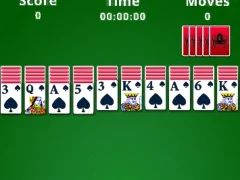 Spider Solitaire
 Spider Solitaire
 Traditional Klondike Spider Solitaire
 Solitaire Spider
 The Spider Solitaire
 Spider Solitaire Plus
 Spider Solitaire
 Jumping Spider
 Spades Spider Solitaire
 Spidike Solitaire
Spider Solitaire games: stack suits, reveal cards, and clear the tableau
Spider Solitaire is a card puzzle about building descending runs from King to Ace, then removing complete suits to free the board. On this page, you can open familiar versions like Spider Solitaire Classic and Classic Spider Solitaire without leaving your browser. The layout looks simple, but every move changes what stays hidden under the face-down cards.
That makes the opening deals matter a lot. A smart first move can expose a buried card, open an empty column, or set up a run that survives the next stock deal. If you want a broader mix of card rules after this, Solitaire collection: klondike, spider & freecell keeps the same table-driven feel in one place.
One-suit tables and the easiest way to learn
One-suit Spider Solitaire gives you the cleanest path because every card can join the same descending sequence. That makes it easier to build long chains, turn hidden cards, and finish a full column before the board tightens. Spider Solitaire is a solid starting point when you want the core pattern without extra color pressure. It also teaches you when to hold back a move so a future card lands in the right place.
Two-suit and four-suit difficulty
Two-suit games ask for more planning because matching ranks do not always connect as freely, so you need to separate partial runs with care. If you want that middle step up, Spider Solitaire 2 keeps the same rules but gives the tableau more tension. Four-suit tables are the hard version, where you often break up a good-looking stack just to keep future moves alive. That extra pressure makes every empty column and every hidden card reveal matter.
For a familiar classic take, Best Classic Spider Solitaire keeps the focus on suit order, empty columns, and exact card placement. The goal is still the same: clear complete sequences before the stock pile forces awkward deals. Once you learn to protect your open lanes, the harder layouts make more sense.
Stock deals, empty columns, and undo
The stock pile is what gives Spider its pressure, because each new row can help or ruin a setup in seconds. When you hit a dead end, the next deal spreads fresh cards across the tableau and may cover the run you were building. That is why experienced players watch for empty columns before they touch the stock.
Undo matters too, especially in browser play where a single wrong drag can block a suit or bury a useful card. When you want a bigger card rotation between sessions, Daily Solitaire offers another quick round with a different pace. The same habit helps here: protect open spaces, reveal face-down cards, and keep one column ready for a full descending stack.
Quick browser sessions on desktop and mobile
Spider Solitaire fits short breaks because you can start a deal, make a few careful moves, and stop without losing the thread. It works well as free online play, and the format is easy to revisit on desktop or phone. If you want more variety after a run, Solitaire 13 In 1 Collection gives you another route through classic card puzzles.
For players who like the same logic with a different pace, the collection approach is useful because you can jump between formats without relearning the basics. Here, though, the appeal is the exact sequence work: King down to Ace, suit by suit, until the tableau clears. Once that clicks, Spider Solitaire becomes a game of reading the board one column at a time.
It is a good fit when you want a short, focused round that still rewards careful sequencing. The browser setup means you can play on mobile and desktop, then return later and pick up the next table without extra setup. That makes it easy to keep the rhythm of reveal, stack, and clear.
FAQ — Frequently Asked Questions
What are the best Spider Solitaire games to play right now?
Sorted by the ratings players gave them — these Spider Solitaire games scored the highest. All free, nothing to install:
- Spider Solitaire Classic — 7.9/10 (57)
- Spider Solitaire — 7.4/10 (72)
- Best Classic Spider Solitaire — 7.1/10 (21)
- Spider Solitaire 2 — 9.4/10 (18)
- Classic Spider Solitaire — 6.9/10 (32)
What are the newest Spider Solitaire games?
The Spider Solitaire games added to the site most recently, freshest first:
- Spider Solitaire — September 25, 2026
- Solitaire Witch — September 16, 2026
- Solitaire 8 Collection — August 14, 2026
- Solitaire Quest — August 6, 2026
- Ultimate Spider Solitaire — July 13, 2026
Which Spider Solitaire games are most popular right now?
The Spider Solitaire games opened most often on SGameS right now. Free to play, straight in the browser: