
Jewels Games
Games: 219 latest added October 9, 2026
Match sparkling boards in Jewels Blitz 5, Jewels Blitz 4, and Crystal Connect. Clear chains and blockers right in your browser. Try Diamond Solitaire Mahjong when you want a slower tile-matching twist.
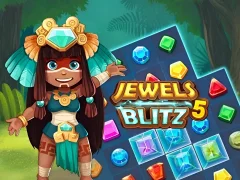 Jewels Blitz 5
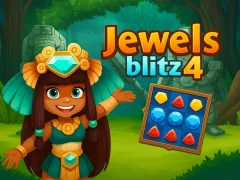 Jewels Blitz 4
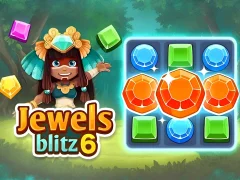 Jewels Blitz 6
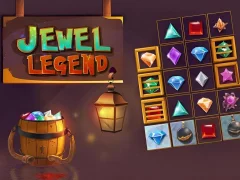 Jewel Legend Quest
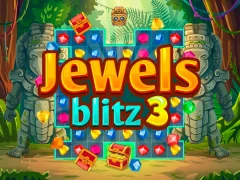 Jewels Blitz 3
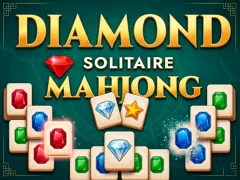 Diamond Solitaire Mahjong
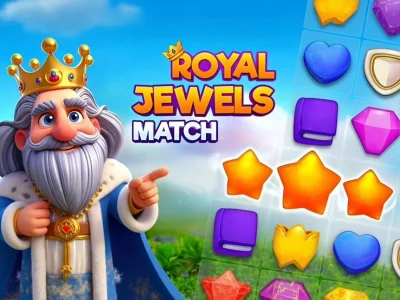 Royal Jewels Match
 Cursed Treasure 2
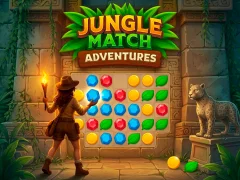 Jungle Match Adventures
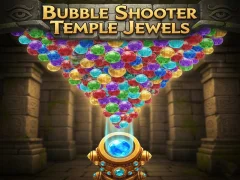 Bubble Shooter Temple Jewels
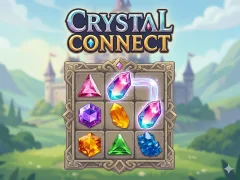 Crystal Connect
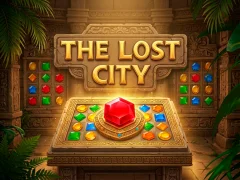 The Lost City Match 3
 Gold Strike
 Ancient Jewels
 Jewels of Arabia
 Jewel Solitaire TriPeaks
 Super Color Lines
 Gold Rush Treasure hunt
 Kings and Queens Match 3
 1001 Arabian Nights
 Jewels Blitz
 Diamond Rush
 Diamondz
 1001 Arabian Nights 2
 Brilliant Jewels
 10x10 Gems Deluxe
 Treasures Of Montezuma 3
 Jewels Blitz Challenge
 Jewels Blitz Legends
 Cursed Treasure 1
 Block Jewel Puzzle
 Treasure Hunt
 Hexagon Pals
 Bubble Shooter Crystal Hunt
 Gems
Gems
 Daily Jewels Blitz Mahjong
 Skydom Reforged
 Jungle Jewels Connect
 Cursed treasure: level pack!
 Mini Putt gem Garden
 Jewel Bubbles 3
 Magic Circus Match 3
 Royale Gem Legends
 Cursed Treasure
 Magic Jewels Castle
 Bejeweled Blitz
 Jewel Explode
 Jewelish
 Jewel Jungle
 Mini putt gem holiday
 Gem Sort Puzzle
 Jewel Dress Up
 Candy Pop
 Jewel Coloring
 Jewels Mania
 Jewel Burst
 Bejeweled Twist
 Block Puzzle Jewel Forest
 Gem Legends
 Mahjong Ornaments
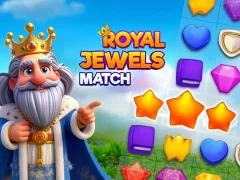 Royal Jewels Match
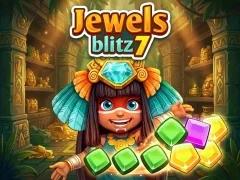 Jewels Blitz 7
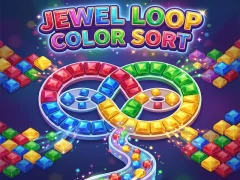 Jewel Loop Color Sort
 Stained Glass Reverie
 Drillfall
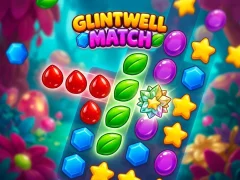 Glintwell Match
 Mystic Link
 Gemoria
 ECHO
ECHO
 Neon Merge
 Gem Mahjong
 Gem crash
 Crystal Circuit
 Gem Zones
 Diamond Sorting ASMR Puzzle
 Jewels Coloring Puzzle
 The Last Adventure
Diamond Rush
Jewels Blitz 4
The Last Adventure
Diamond Rush
Jewels Blitz 4
 Boomstone
See all New games
Boomstone
See all New games
Jewels games with match-3 boards, connect twists, and level goals
Jewels games are built around gem boards, but the category goes well beyond basic swapping. In Jewels Blitz 5, you are reading the layout, clearing blockers, and chasing level goals at the same time. Rows, columns, and chain reactions matter because one smart move can open the whole board. That is what gives the category its puzzle-first feel.
Jewels Blitz 4 keeps the formula familiar, yet the level rules still change enough to keep you watching the board. Some stages limit your moves, others push you to collect specific gems, and some add chains or ice that have to be broken first. You also get more than one kind of gem puzzle in this category. Crystal Connect shows the link-matching side clearly. Diamond Solitaire Mahjong leans into pair matching instead of swaps.
Classic match-3 boards
Most Jewels boards still start with the familiar rule: line up three or more gems and clear them from the grid. Jewels Blitz 6 takes that basic idea and surrounds it with objectives, blockers, and board layouts that ask you to plan ahead. When a stage gives you a move limit, every match has to do more than just vanish for points.
Jewels Blitz 3 shows how much difference a board layout can make, even when the core rule stays the same. Long matches can create special pieces, and those pieces are often the fastest way to clear tight corners or awkward columns. That is why the classic match-3 side of the category feels tactical rather than random.
Connect-style gems and tile matching
Some Jewels games swap the grid chase for path-finding, and that changes the tempo immediately. Crystal Connect asks you to spot matching pieces and trace a route, which makes the board feel more open than a standard swap puzzle. If you like scanning for links instead of dragging neighbors together, this branch fits nicely.
Diamond Solitaire Mahjong takes the matching idea in another direction, with pair-based clearing that rewards patience and board awareness. It is slower than an arcade gem board, but the decisions are still concrete, because blocked tiles and open lanes change what you can reach. That keeps the category broad without losing its puzzle identity.
Boosters, blockers, and quest levels
Jewel Legend Quest leans into adventure-style stages, so every level feels like a small mission instead of a plain score chase. You are still matching gems, but the board often hides a more specific goal behind the sparkle. That goal can change how you use combos, especially when you need to free space before the timer or move counter runs down.
The Lost City Match 3 pushes that idea further with themed boards that make each stage feel tied to its setting. Special pieces, blockers, and target tiles work together to keep the playfield moving in different ways. If you like a gem puzzle that unfolds level by level, this is where the category gets its best variety.
If you usually browse logic games, Jewels is a strong pick because every board asks you to read the grid, break obstacles, and plan around limited moves. The best runs are not about speed alone, but about setting up the right gem line before the board gets crowded. That balance is why these puzzles work so well online, whether you want a quick free session or a longer level climb.
FAQ — Frequently Asked Questions
What are the best Jewels games to play right now?
Sorted by the ratings players gave them — these Jewels games scored the highest. All free, nothing to install:
- Jewels Blitz 5 — 7.5/10 (61)
- Jewels Blitz 4 — 8.7/10 (53)
- Jewels Blitz 6 — 8.9/10 (63)
- Jewel Legend Quest — 8.1/10 (26)
- Jewels Blitz 3 — 7.5/10 (28)
What are the newest Jewels games?
The Jewels games added to the site most recently, freshest first:
- Royal Jewels Match — October 9, 2026
- Jewels Blitz 7 — October 5, 2026
- Jewel Loop Color Sort — October 2, 2026
- Stained Glass Reverie — October 1, 2026
- Drillfall — September 29, 2026
Which Jewels games are most popular right now?
The Jewels games opened most often on SGameS right now. Free to play, straight in the browser: