
Management Games
Games: 2159 latest added 1 October 2026
Run a shop, a kingdom, or a farm with Monkey Mart, Elvenar, and Tropical Merge. No download, right in your browser. Try Cooking Chef and Virtual Families Cook Off for busy time-management runs.
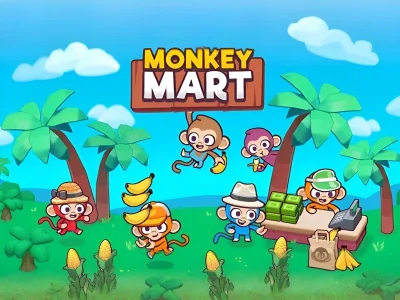 Monkey Mart
 Train Miner
 Tropical Merge
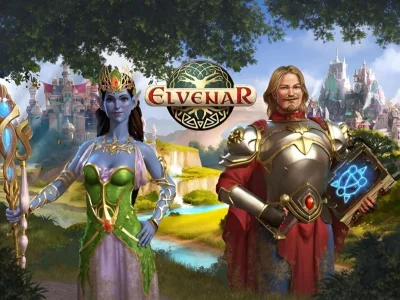 Elvenar
 Gas Station Simulator
 Idle Chicken Farm
 Call of War: World War
 Terminal Master - Bus Tycoon
 Lumberjack 3D Simulator
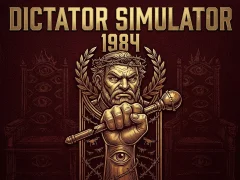 Dictator Simulator: 1984
 Money Rush
 Burger Bounty Game
 Forge of Empires
 Virtual Families Cook Off
 Chef Tycoon
 Millionaire Life
 Cooking Chef
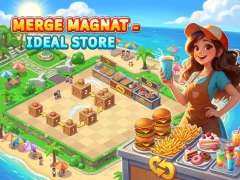 Merge Magnat: IDeaL Store
 Family Nest Royal Society
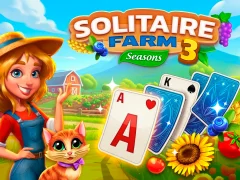 Solitaire Farm Seasons 3
 Idle Zoo Tycoon
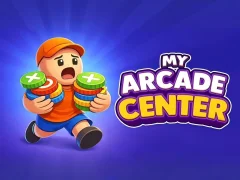 My Arcade Center
 Block Hexa Merge 2048
 Idle Supermarket Tycoon
 Idle Train Empire Tycoon
 My Perfect Hotel
 Solitaire Garden
 ObbyTycoon: Money Tycoon
 Cooking Trendy
 Hotel Fever Tycoon
 Big Farm
 Dream Home: Merge Story
 Idle Vlogger Simulator
 Idle Cinema Tycoon
 Idle Mining Empire
 My Style Hotel Empire
 Cooking Stories
 Supermarket Simulator Dream Store
 My City Hospital
 Piece of Cake: Merge & Bake
 Farm Day Village
 Panda Kitchen Idle Tycoon
 Cooking Frenzy
 Hedgies
 Delicious Emily's New Beginning Valentines Edition
 Infinite Craft
 Coffee Master Idle
 Lumber Factory Simulator
 Farming Simulator Game
 Tiny Landlord
 Frenzy Cooking
 Home Makeover 2: Hidden Object
 Eco Recycler
 Mow It
 Family Farm Seasid
 Cafe Owner Business Simulator
 Family Relics
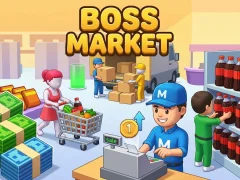 Boss Market
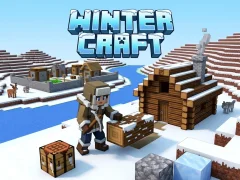 Winter Craft
 Beach Club
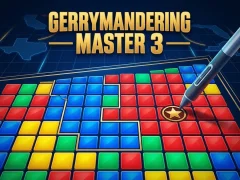 Gerrymandering Master 3
 Bee Rise
 Cut Grass Adventure
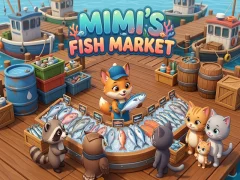 Mimi's Fish Market
 Monster Chef
 Cop Simulator: My Prison 3D
 Idle Zoo Tycoon
 Cat Mine
 3D Supermarket Tycoon
 Turnline Atelier
 Demolition Tycoon 3D
 Forest Fortune
 Wood Builder Tycoon
 Click That Button
 Snow Plow Inc.
 Blockland Oneblock Skyblock
Lumberjack 3D Simulator
Blockland Oneblock Skyblock
Lumberjack 3D Simulator
 Mintbelt Factory 3D
 Town Builder Inc.
 Magnet Master 3D
See all New games
Magnet Master 3D
See all New games
Management games for shops, farms, and fantasy kingdoms
Management games put you in charge of systems that grow one decision at a time. Monkey Mart shows the shop side, where stocking, harvesting, and selling feed the next upgrade. Elvenar takes the same idea into a city builder, with new structures opening more production and more space to plan.
These games lean on upgrades, staffing, expansion, and resource flow rather than simple point chasing. These are free online runs that turn each upgrade into a new decision. One upgrade changes the pace of the whole map.
Shop and business simulators
Business-focused entries keep the pressure on inventory and flow. You are not just collecting coins; you are deciding what to produce, when to expand, and how to keep customers moving. The pace rewards clean routing and good stock choices, especially when the shelves start emptying fast.
Monkey Mart is a strong example because each step leads into the next: grow food, stock products, and reinvest in faster movement or better output. That structure makes the screen feel busy without becoming messy. If you like watching a tiny store turn into a full operation, this is the lane to watch.
City-building and economic strategy
Some games stretch Management into settlement growth and long-term planning. Elvenar adds a fantasy theme, but the core still revolves around placing buildings in the right order and feeding them with resources. The result is a style that fits players who like measuring every expansion against what it costs.
economic strategy suits this side of the genre because growth usually depends on balancing income, upgrades, and new unlocks. You are building an economy first and a map second. When the numbers line up, the whole town opens up in a way that feels earned.
Management games with quick service, merging, and upgrades
Other Management games move faster and ask you to handle orders, timers, and production chains in real time. Time Management is the big clue here, because every second can change how smoothly the run goes. These games still reward planning, but they ask you to act while the system is already in motion.
Restaurant and kitchen rush
Cooking Chef turns management into a kitchen rhythm of prep, serving, and juggling several orders at once. The trick is not just speed; it is arranging tasks so one finished dish sets up the next. That makes the service loop feel active from the first customer to the last.
Virtual Families Cook Off keeps that same restaurant pressure, but with a more playful family-style setup. You are still watching queues, ingredients, and timing, only now the pacing leans into quick reaction and order flow. If you want a hands-on cooking challenge, this is one of the clearest examples in the category.
Farming and merge chains
Farming games bring a slower, cleaner kind of management where every harvest unlocks the next step. Tropical Merge stands out because merging objects, clearing land, and opening new production spots all connect in one loop. That gives you a visible way to grow from a small patch into a larger working space.
Solitaire Farm Seasons 3 mixes farming progress with card-based tasks, so you are managing both the board and the farm at the same time. The combination keeps the pace varied without abandoning the core goal of building something better. It is a neat fit for players who like crop progression with a puzzle layer on top.
Mining, stacking, and combat control
Gold Miner Tom focuses on extraction, timing, and the value of each pull. That smaller scale still fits Management because you are deciding what to grab, what to ignore, and how to turn effort into progress. It is a good match if you like a compact loop with visible rewards.
War Master pushes the idea toward battlefield control, where progression depends on managing conflict rather than shelves or crops. The category can stretch that far because the same idea still applies: you guide resources, make smart choices, and keep the system moving. For players who want a tougher angle, this brings a sharper strategic edge.
From shops and kingdoms to kitchens and merge boards, Management games reward every upgrade with a bigger job for you to handle next. That is the appeal: you keep building a system, then prove you can run it better than before.
FAQ — Frequently Asked Questions
What are the best Management games to play right now?
Sorted by the ratings players gave them — these Management games scored the highest. All free, nothing to install:
- Monkey Mart — 9.3/10 (75)
- Train Miner — 8.8/10 (33)
- Tropical Merge — 9.1/10 (82)
- Elvenar — 8.3/10 (30)
- Gas Station Simulator — 8/10 (25)
What are the newest Management games?
The Management games added to the site most recently, freshest first:
- Gerrymandering Master 3 — 1 October 2026
- Bee Rise — 30 September 2026
- Cut Grass Adventure — 30 September 2026
- Mimi's Fish Market — 30 September 2026
- Monster Chef — 30 September 2026
Which Management games are most popular right now?
The Management games opened most often on SGameS right now. Free to play, straight in the browser: